
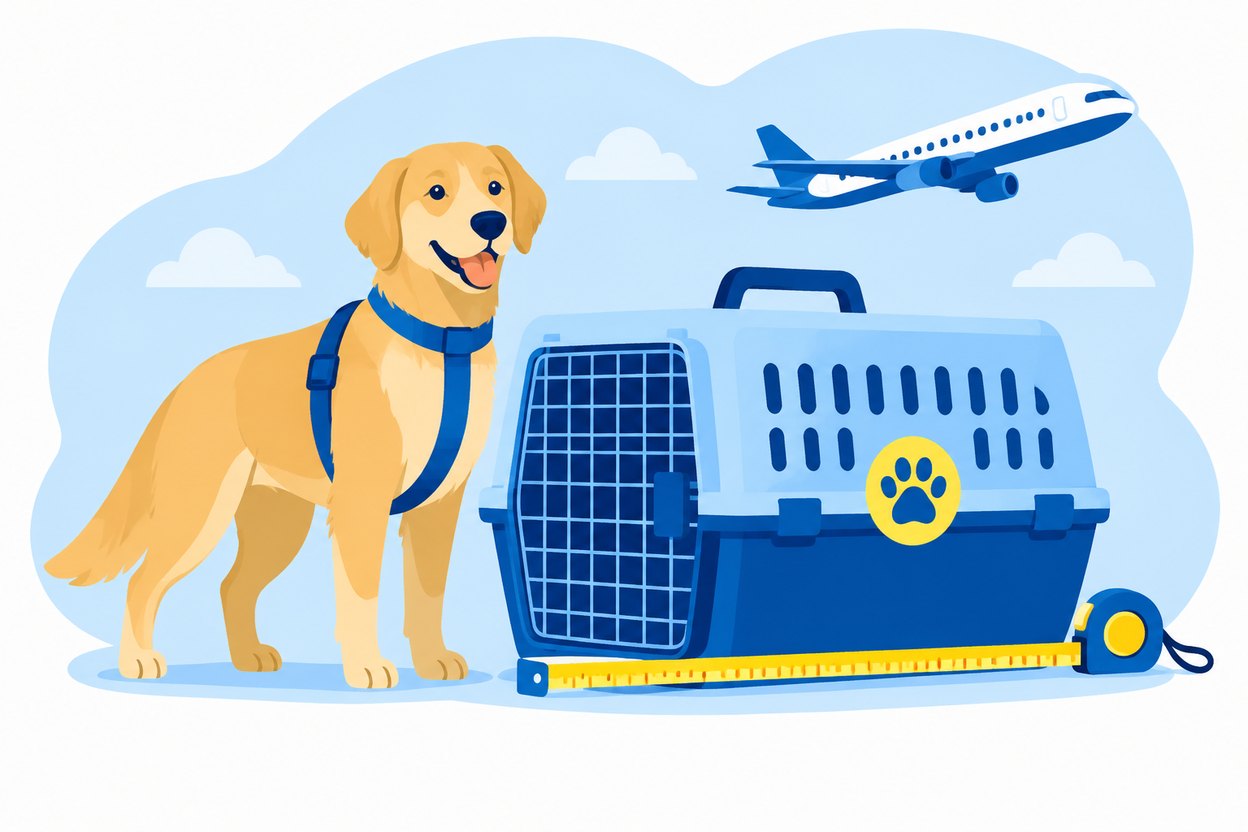
Build a consistent planning estimate
Start with a realistic itinerary and collect the prices or measurements you can verify before using this tool. The main inputs include a: nose to tail base, b: elbow to ground, c: shoulder width. Keep the units and billing periods consistent, and use the same dates for any competing quotes. If a price is not yet confirmed, try both a lower and a higher estimate so you can see whether that uncertainty changes your decision.
Length = A + half B; width = twice C; height = D plus your clearance. Unit selection interprets all inputs in that unit. This estimate is not airline approval; confirm breed, ventilation, and carrier requirements. Round up when buying. Review each result row rather than relying only on the headline figure. This makes it easier to notice a missing fee, an incorrect quantity, or a different assumption about how a provider bills the service. Save the assumptions alongside your booking details so you can update the estimate when plans change.
Measure your dog before shopping
Measure the dog standing naturally on a level surface, not curled up or sitting. Use the nose to the base of the tail for length, the elbow to the floor for leg height, and the widest shoulder measurement for width. For standing height, include the top of the head or upright ears, whichever is higher. Repeat uncertain measurements before comparing crate listings and manufacturer size charts.
Use the estimate as one part of your planning rather than a substitute for confirmation from the provider. Ask about exclusions, availability, and cancellation terms before committing money. If the difference between options is small, convenience and suitability may matter more than the displayed saving. Recalculate after changing dates or service levels, and leave room in your budget or schedule for needs that the basic comparison does not capture.