
Where to Stay in Venice Near the Train Station
Stay near Venezia Santa Lucia in Cannaregio or Santa Croce and minimize bridges, luggage handling and unnecessary waterbus fares.
Where to Stay in Venice Near the Train Station
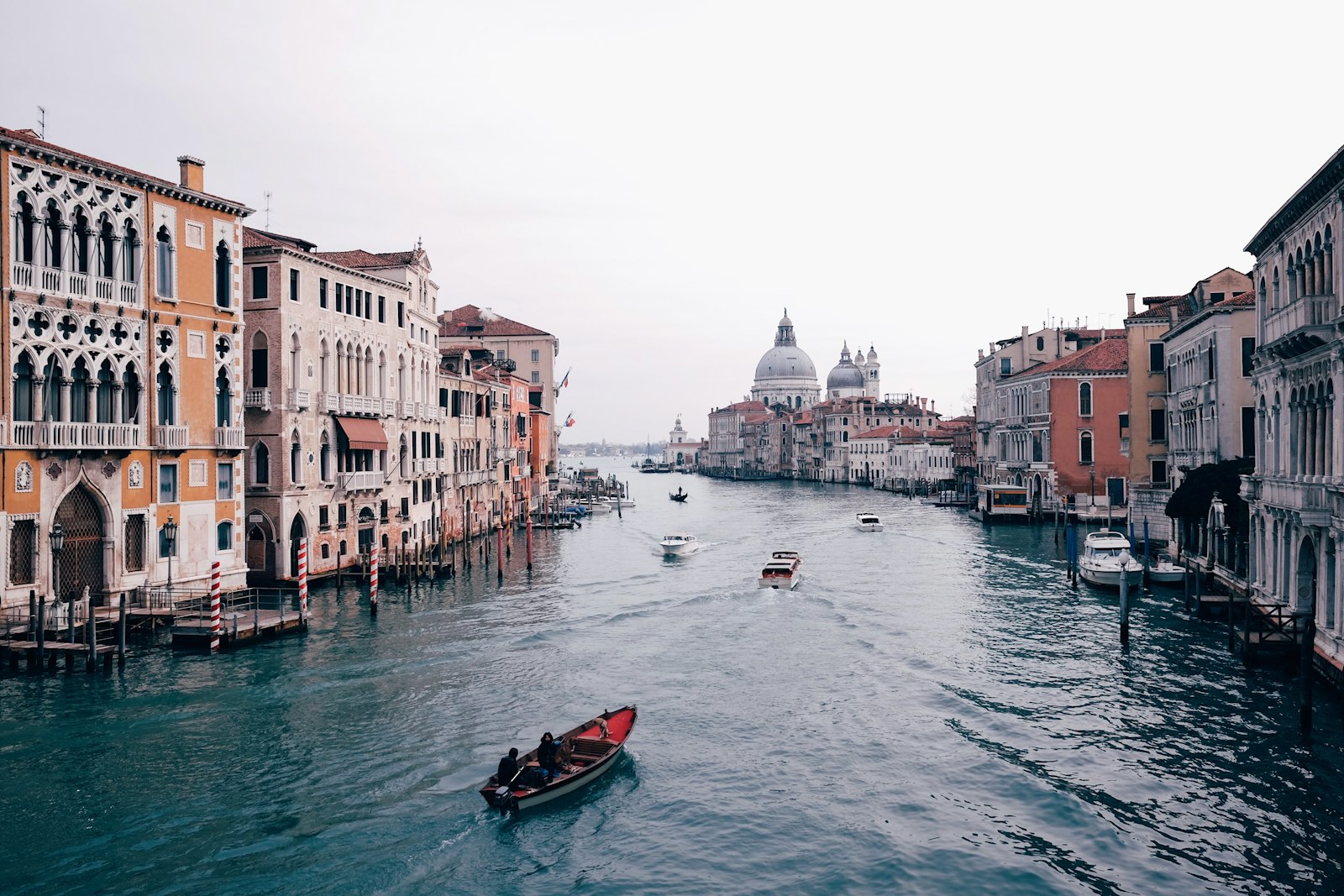
Where to stay in Venice near the train station means looking around Venezia Santa Lucia, not Venezia Mestre on the mainland. Cannaregio offers the easiest same-bank arrival, while Santa Croce puts you across the Grand Canal near the road gateway. For a first visit with suitcases, a short route with few bridges usually beats a slightly more romantic address that requires several crossings.
Price reference: official operator information reviewed for 2026 planning. Seasonal notices and dated checkout prices take precedence; accommodation and food allowances are estimates, not official tariffs.
Prices at a glance
| Option | Cost | Practical detail |
|---|---|---|
| ACTV 75-minute waterbus ticket | €9.50 (~US$10) | Standard visitor fare; validate before boarding |
| Venezia Daily Pass | €25 (~US$27) | 24 hours from first validation; exclusions apply |
| Station-area double room | €140–280 (~US$151–302)/night | Planning allowance; hotels price by date |
| Walk from station to hotel | €0 (~US$1) | Public walking routes; bridges may have steps |
Times & timetable
- +Santa Lucia to nearby Lista di Spagna hotels: approximately 3–10 minutes walking; route dependent.
- +Santa Lucia to Rialto: allow 25–35 minutes on foot before photo stops.
- +Waterbus departures vary by line and season; consult ACTV Venice timetables rather than relying on a fixed platform.
How to book
- +Station-front hotel room — date-priced, allowance €140–280 (~US$151–302)/night: check Hotel Principe Venice direct reservations.
- +ACTV 24-hour pass — €25 (~US$27): purchase through the Venezia Unica official ticket shop.
- +ACTV 75-minute waterbus ticket — €9.50 (~US$10): use the ACTV official visitor ticket shop.
Cannaregio: arrive without an immediate bridge
Exit Santa Lucia and you are already on the historic islands. The Lista di Spagna corridor runs east from the station toward Campo San Geremia. A property on this side of the Grand Canal can let you reach reception without crossing a major bridge, which matters after a long rail journey.
Check the exact doorway against the property’s written arrival instructions. Side canals can introduce an unexpected bridge even when the hotel looks close to the station. Ask, “How many bridges from Santa Lucia?” and mention whether you have a wheelchair, stroller or suitcase that cannot easily be lifted.
The station end of Cannaregio is busy during the day, but side streets can feel quieter after visitors move toward Rialto. Choose based on the room’s location within the building. A canal-facing room may have boat noise early in the morning; an internal room may offer less scenery but better sleep.
For one or two nights, this area keeps arrival and departure simple without disconnecting you from Venice. You can walk farther into Cannaregio for dinner rather than repeatedly returning to the busiest tourist strip. Check the restaurant’s actual menu before sitting down, particularly where a canal view carries a premium.
Santa Croce: useful, but count the crossings
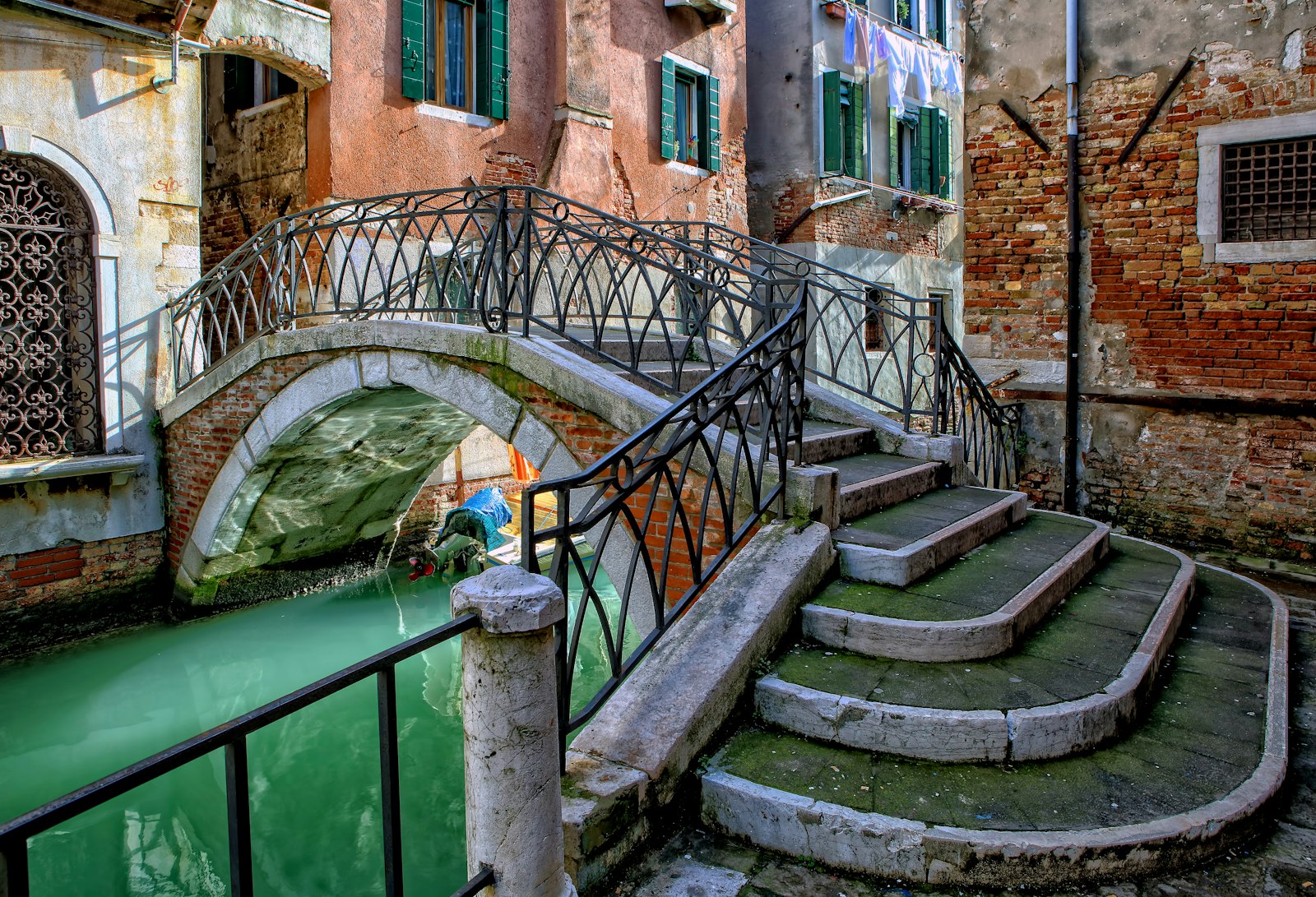
Santa Croce is attractive if you also need Piazzale Roma, where buses and road vehicles terminate. From Santa Lucia, crossing Ponte degli Scalzi takes you to the opposite bank. Farther west, routes toward the road terminal may involve the Constitution Bridge or other canal crossings. These are not interchangeable luggage routes.
Do not equate “near the station” with step-free access. Bridge ramps, temporary installations and hotel lifts can change independently. Ask the property for a route suited to your mobility needs, then confirm it shortly before travel. A waterbus may help in some cases, but its pier and the final walk also need checking.
The neighborhood rewards travelers who want a less direct sightseeing corridor while remaining close to transport. However, a cheap address deep inside a maze of lanes may cancel out the advantage. Save a written turn-by-turn route and the hotel phone number offline, not just a location pin.
Walking versus buying a waterbus pass
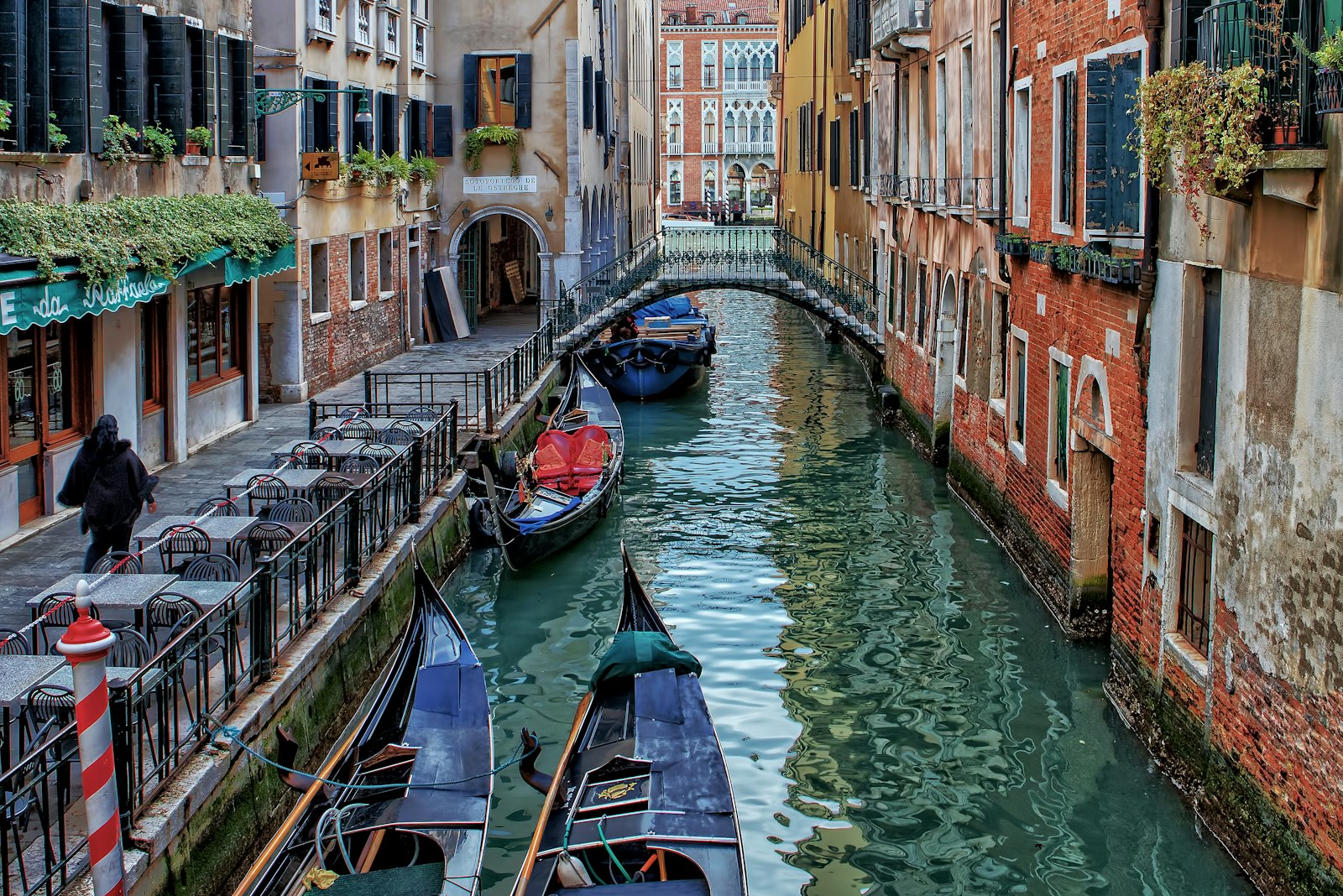
Venice is walkable if you are comfortable with bridges, crowds and detours. The station area is not so remote that you must buy a pass merely to visit Rialto or San Marco. Walking costs €0 (~US$1), and wandering between districts can be part of the experience rather than wasted travel time.
The ACTV integrated fares list the €25 (~US$27) daily pass and its coverage. At the standard visitor fare of €9.50 (~US$10), three separate waterbus tickets total €28.50 (~US$31); the pass can therefore help on a day with several paid rides. That comparison assumes the journeys fall within its validity.
Do not confuse ACTV with Alilaguna airport boats, private water taxis or gondolas. They have different fare arrangements. A tourist pass is not a universal ticket for anything floating in Venice. For the airport, compare the complete transfer separately, especially if your hotel is already convenient for the airport bus terminal.
Validate the ticket as directed before boarding, and allow room for passengers leaving the boat. Platforms can serve multiple directions, and line numbers alone are not enough. Check the destination and stopping pattern on the departure display before joining a long queue with your luggage.
Room rates, overnight rules and departure day
There is no official hotel room price. The planning range above is deliberately separate from published transport fares. Carnival, major exhibitions and weekends can raise rates sharply. Compare the full stay total, including breakfast, cancellation terms and the accommodation’s explanation of local overnight tax.
Venice’s day-visitor access contribution is separate from the overnight tourist tax. Staying overnight may bring an exemption from the access contribution, but follow the current registration instructions on the official Venice access-fee portal. Do not assume a hotel confirmation alone completes every administrative step.
Before booking, ask about luggage storage after checkout. A station-area base is especially useful if you can collect bags shortly before your train. Keep a realistic margin for crowded lanes, an unexpected bridge detour and finding the correct platform. Santa Lucia and Mestre are different departure stations.
For a very early departure, confirm that reception can settle the bill the previous evening. Choose refundable rates when the rail plan is uncertain, and compare like-for-like room categories. A Grand Canal photograph on a hotel website does not mean every room has that view.
Before paying, compare the exact bed configuration, room size and bathroom arrangements. Ask whether air-conditioning operates during your dates rather than assuming it runs year-round. A property can be perfectly located yet unsuitable for your group if a sofa bed, staircase or narrow shower makes daily routines difficult. Save the reservation conditions alongside the arrival instructions so any promised facilities are easy to check.
Tips & tricks
- +Book Venezia Santa Lucia, not Mestre, for an island stay.
- +Count bridges before reserving.
- +Check pass coverage before airport travel.
- +Validate every required waterbus journey.
- +Keep a departure-day walking margin.
Planning timeline
| When | Action | Why it matters |
|---|---|---|
| Before reserving | Check official products and compare the complete cost. | Avoid paying twice for transport or admission. |
| One week before | Confirm accommodation access and seasonal operating days. | Identify closures and awkward arrival routes. |
| The day before | Refresh timetables, weather and ticket conditions. | Saved schedules can become outdated. |
| Before setting out | Download tickets and save the return journey. | Keep essential information available offline. |
| Before returning | Check live departures and leave a buffer. | Protect onward bookings from delays. |
Book your Venice trip
Compare live prices and availability on trusted booking sites.