
Where to Stay in Florence First Time Without a Car
Choose Santa Maria Novella, the Duomo or Oltrarno for a walkable first Florence stay, with luggage routes and hotel costs explained.
Where to Stay in Florence First Time Without a Car
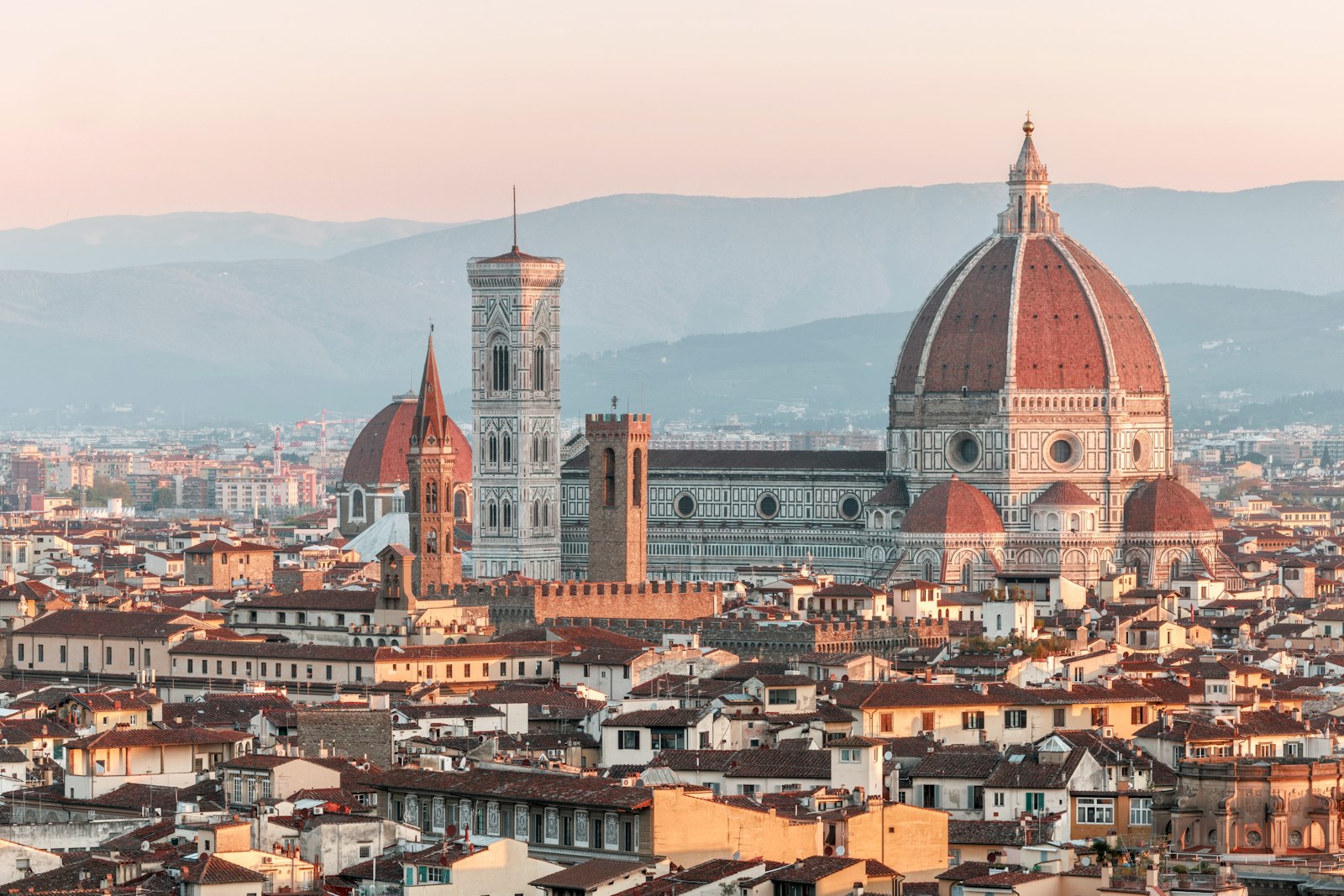
Where to stay in Florence first time without a car comes down to three useful bases: Santa Maria Novella for railway convenience, the Duomo area for sightseeing, and Oltrarno for neighborhood evenings. Most first-time visitors should choose a walkable address between the main station and the cathedral rather than paying for transport every day. Book the room for its actual street, not just a photograph of the skyline.
Price reference: official operator information reviewed for 2026 planning. Seasonal notices and dated checkout prices take precedence; accommodation and food allowances are estimates, not official tariffs.
Prices at a glance
| Option | Cost | Practical detail |
|---|---|---|
| Three-star hotel tourist tax | €6 (~US$6) per person/night | Municipal charge; generally first seven nights |
| Four-star hotel tourist tax | €7 (~US$8) per person/night | Usually separate from advertised room rate |
| Five-star hotel tourist tax | €8 (~US$9) per person/night | Check exemptions with the property |
| Double room | €130–240 (~US$140–259)/night | Planning allowance, not a fixed official tariff |
Times & timetable
- +Station to Duomo: allow 10–15 minutes walking, longer with suitcases; public streets cost €0 (~US$1).
- +Airport tram: approximately 20 minutes to the station area; check dated departures and fares with Autolinee Toscane tickets.
- +Hotel check-in commonly starts during the afternoon; an early bag drop needs the property’s confirmation.
How to book
- +Central hotel room — date-priced, budget €130–240 (~US$140–259)/night: compare actual availability through Hotel Santa Maria Novella direct reservations.
- +Oltrarno room — date-priced; request an inclusive quote through Hotel Palazzo Guadagni direct reservations.
Santa Maria Novella: the simplest arrival
Santa Maria Novella is the strongest default if you arrive by train, plan a day trip or have an early departure. Look around Piazza Santa Maria Novella and the streets leading toward Via dei Banchi. You can walk to the main sights while keeping the arrival route short. Avoid assuming that every property using “station” in its name is equally convenient.
Measure the route from the station exit to the hotel entrance, not the center of its neighborhood. Florence has uneven paving, narrow pavements and streets where crowds make a short walk slow. A five-minute difference on a booking map can feel much larger while dragging luggage in summer heat.
For a concrete starting point, the hotel linked above faces the piazza and has its own booking channel. Compare its room category with alternatives on nearby streets rather than treating the area as a guarantee of quiet. Ask whether your room overlooks a square, courtyard or service lane. Courtyard-facing rooms can be useful for light sleepers.
The station district also helps with day trips because you do not need a taxi before boarding a regional train. However, a cheap room directly above a busy road may be a poor trade if poor sleep affects every sightseeing day. Prioritize a clear arrival route and recent noise reviews.
Duomo and San Lorenzo: sights outside your door
The Duomo area works best when this is a short cultural visit and you want to return to your room between visits. Streets toward San Lorenzo can provide a practical compromise between the cathedral and station. Expect crowds on principal routes, especially around lunchtime and museum entry times.
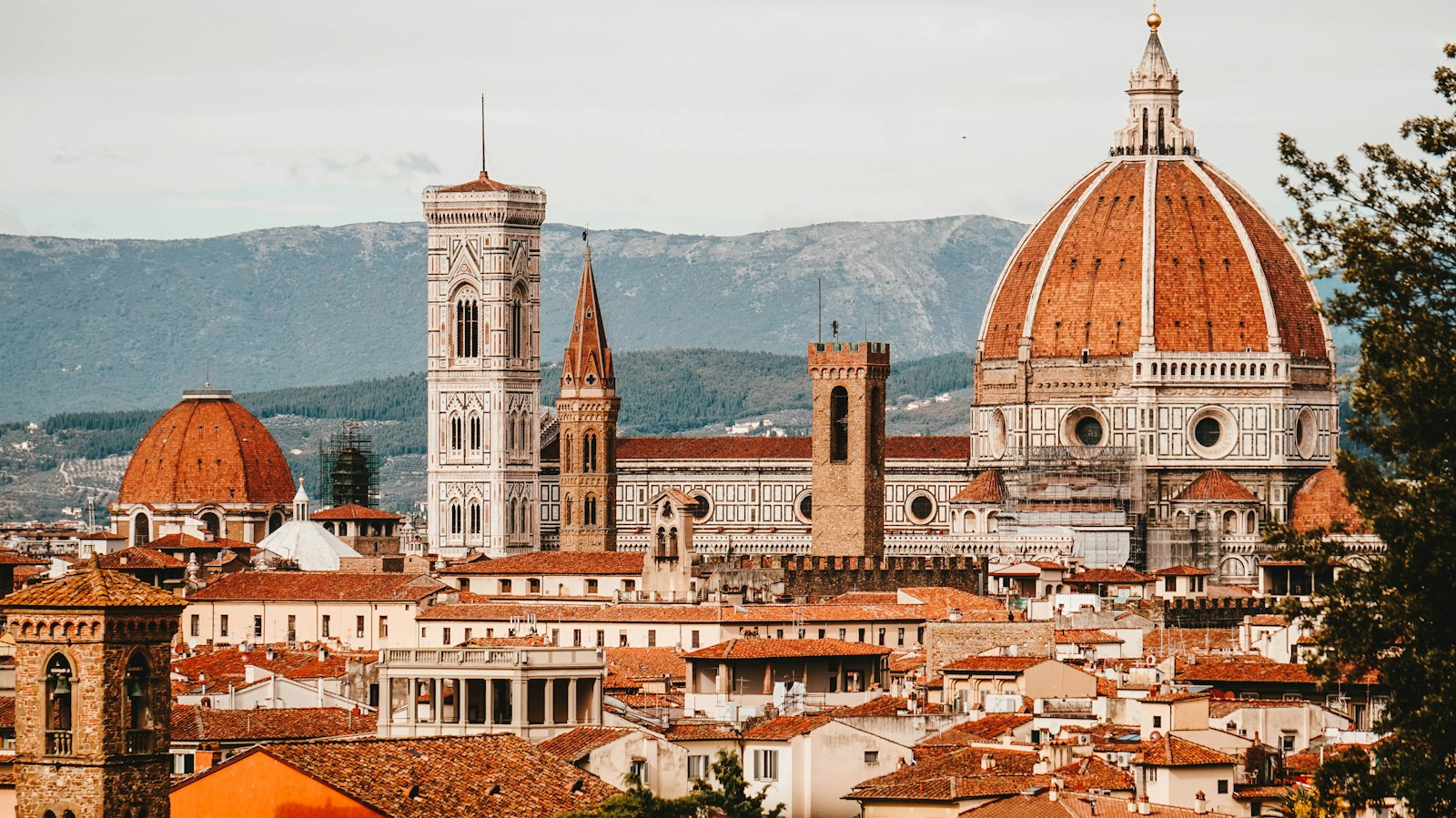
A cathedral view is a room feature, not a neighborhood entitlement. Confirm the exact category before paying a premium. Historic buildings may have small lifts, steps before the lift, or bathrooms fitted into unusual spaces. Ask for dimensions if wheelchair access, a stroller or large luggage is important.
You do not need a car for the core sightseeing circuit. The cathedral precinct, Piazza della Signoria and riverfront fit into a walking itinerary, but standing in queues adds fatigue. Reserve rest breaks rather than treating a compact center as an invitation to walk continuously from breakfast until dinner.
Oltrarno and Santa Croce: choosing atmosphere
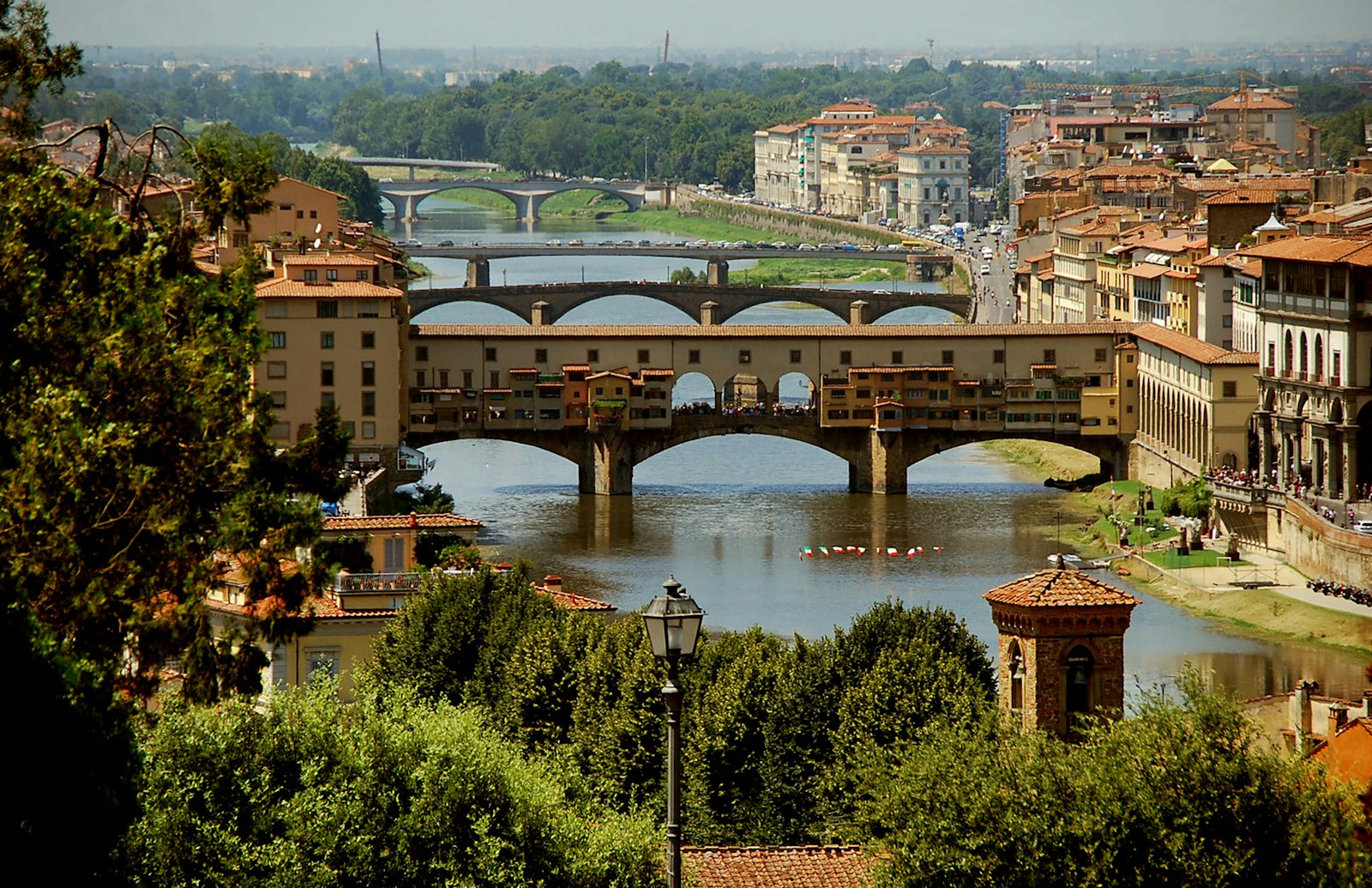
Choose Santo Spirito or nearby Oltrarno streets if restaurants, workshops and an evening neighborhood matter more than the shortest station walk. Crossing the Arno adds distance but not necessarily difficulty. Check which bridge your route uses and avoid carrying suitcases through the busiest approach to Ponte Vecchio.
The area around Santa Croce is another good base for travelers who favor evenings out. Some streets remain lively late, so read comments about music and street noise. A room marketed as central may suit nightlife much better than an early start. Ask the property about the specific room, not general neighborhood safety.
Do not automatically select hillside accommodation because it appears close in straight-line distance. Steep gradients can change a car-free holiday, particularly in hot weather. If a property advertises panoramic terraces, investigate the climb, the last bus and the walk from its nearest stop before reserving.
Compare the complete accommodation bill
Florence has dynamic hotel prices; there is no official nightly room tariff. The allowance above is a starting budget, not a promise for Easter, trade fairs or graduation weekends. Compare identical dates, guest counts, breakfast rules and cancellation conditions. A cheaper prepaid rate can be expensive if your travel plans change.
The municipality publishes accommodation-tax rules through its Florence tourist-tax information. Tax is normally assessed per eligible guest and taxable night, so two adults in a four-star hotel should budget €14 (~US$15) per taxable night in addition to any separately charged services. Confirm exemptions rather than assuming all children pay.
For a three-night visit, compare the room subtotal plus local tax, breakfast and transport to and from the property. A slightly dearer walkable address may save a pair of taxi journeys. Free cancellation and luggage storage can be more valuable than an unused gym or a vague “city view.”
Finally, send your arrival time and ask about late check-in, key collection and bag storage after checkout. Apartments may have narrower reception windows than hotels. Keep the property’s direct contact information offline, especially if your train arrives after dinner and your phone has limited roaming data.
Before paying, compare the exact bed configuration, room size and bathroom arrangements. Ask whether air-conditioning operates during your dates rather than assuming it runs year-round. A property can be perfectly located yet unsuitable for your group if a sofa bed, staircase or narrow shower makes daily routines difficult. Save the reservation conditions alongside the arrival instructions so any promised facilities are easy to check.
Tips & tricks
- +Choose a street, not just “historic center.”
- +Ask about steps before the lift.
- +Request a quiet room in writing.
- +Keep tourist tax outside your room budget.
- +Confirm late-arrival arrangements.
Planning timeline
| When | Action | Why it matters |
|---|---|---|
| Before reserving | Check official products and compare the complete cost. | Avoid paying twice for transport or admission. |
| One week before | Confirm accommodation access and seasonal operating days. | Identify closures and awkward arrival routes. |
| The day before | Refresh timetables, weather and ticket conditions. | Saved schedules can become outdated. |
| Before setting out | Download tickets and save the return journey. | Keep essential information available offline. |
| Before returning | Check live departures and leave a buffer. | Protect onward bookings from delays. |
Book your Florence trip
Compare live prices and availability on trusted booking sites.