
Tokyo to Hakone Day Trip by Train: Costs and Passes
A Tokyo to Hakone day trip by train works best with an early departure and a selective mountain itinerary. Compare the Hakone Freepass, Romancecar supplements and ordinary trains.
Is a Tokyo to Hakone day trip by train realistic?
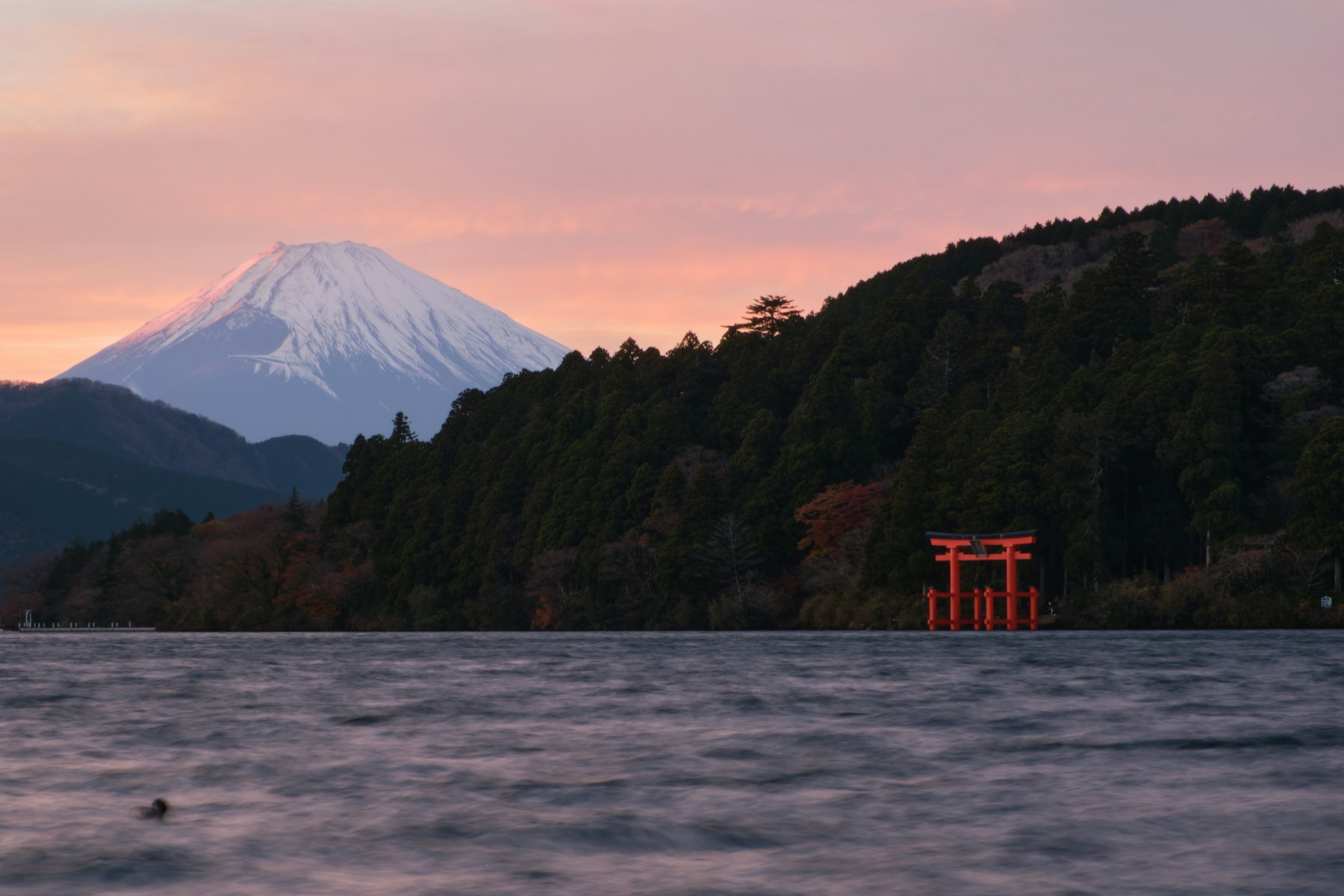
A Tokyo to Hakone day trip by train is realistic if you treat transport connections as part of the day rather than trying to see every attraction. Hakone works as a long day trip from Tokyo, provided you treat it as a mountain region rather than a single attraction. The railway, cable car, ropeway, lake boats and buses connect different settlements; transfers are part of the experience, but also consume time.
Choose two main priorities, such as volcanic scenery and a lake crossing, rather than expecting an art museum, shrine, onsen and complete sightseeing circuit before dinner.
Prices and timetables last checked: 2026.
Prices at a glance
| Option | Cost | Practical detail |
|---|---|---|
| Hakone Freepass from Shinjuku, 2 days | ¥7,100 (~US$48) | Used even for a single day trip |
| Romancecar supplement | ¥1,200 (~US$8) each way | On top of an ordinary fare or qualifying pass |
| Freepass plus two supplements | ¥9,500 (~US$64) | Total for a day trip on the Romancecar |
Prices from the Hakone Freepass page and the Romancecar page.
Times & timetable
- +Shinjuku to Hakone-Yumoto by Romancecar: around 80 minutes.
- +Reservations open one month ahead at 10:00 Japan time.
- +All Romancecar seats are reserved.
How to book
- +Hakone Freepass from Shinjuku (¥7,100 (~US$48) for two days): book on the Odakyu Hakone Freepass purchase page.
- +Hakone-area Freepass from Odawara (¥6,000 (~US$40) for two days): book on the Odakyu Hakone-area Freepass purchase page.
- +Romancecar reserved-seat supplement (¥1,200 (~US$8) each way; base fare or pass also required): book on the Odakyu Romancecar ticket purchase page.
Getting there: Romancecar or ordinary trains
The Romancecar connects Shinjuku with Hakone-Yumoto in approximately 80 minutes on the advertised fastest journeys. Actual schedules vary. Every seat is reserved, and the limited-express surcharge is additional to the ordinary fare or a qualifying pass.
Buying only the reservation is not buying the entire journey. Check both components before boarding, especially when switching between an international booking platform and the railway's own ticketing system.
Ordinary Odakyu services can be cheaper, but usually take longer and may require a change. They are a sensible fallback when reserved trains sell out, not necessarily the best choice for a tightly packed sightseeing day. At Hakone-Yumoto, allow time to locate the mountain railway platform, use the toilets and buy water.
A connection that looks effortless on a journey planner becomes less comfortable when several trainloads arrive together.
Travel with a daypack rather than a suitcase. If Hakone sits between Tokyo and Kyoto in your wider itinerary, consider luggage forwarding or a station locker, checking dimensions and collection hours beforehand. Continuing onward through Odawara can be efficient, but a Shinjuku-origin return product may not be the best ticket for that one-way journey.
Build a flexible mountain itinerary
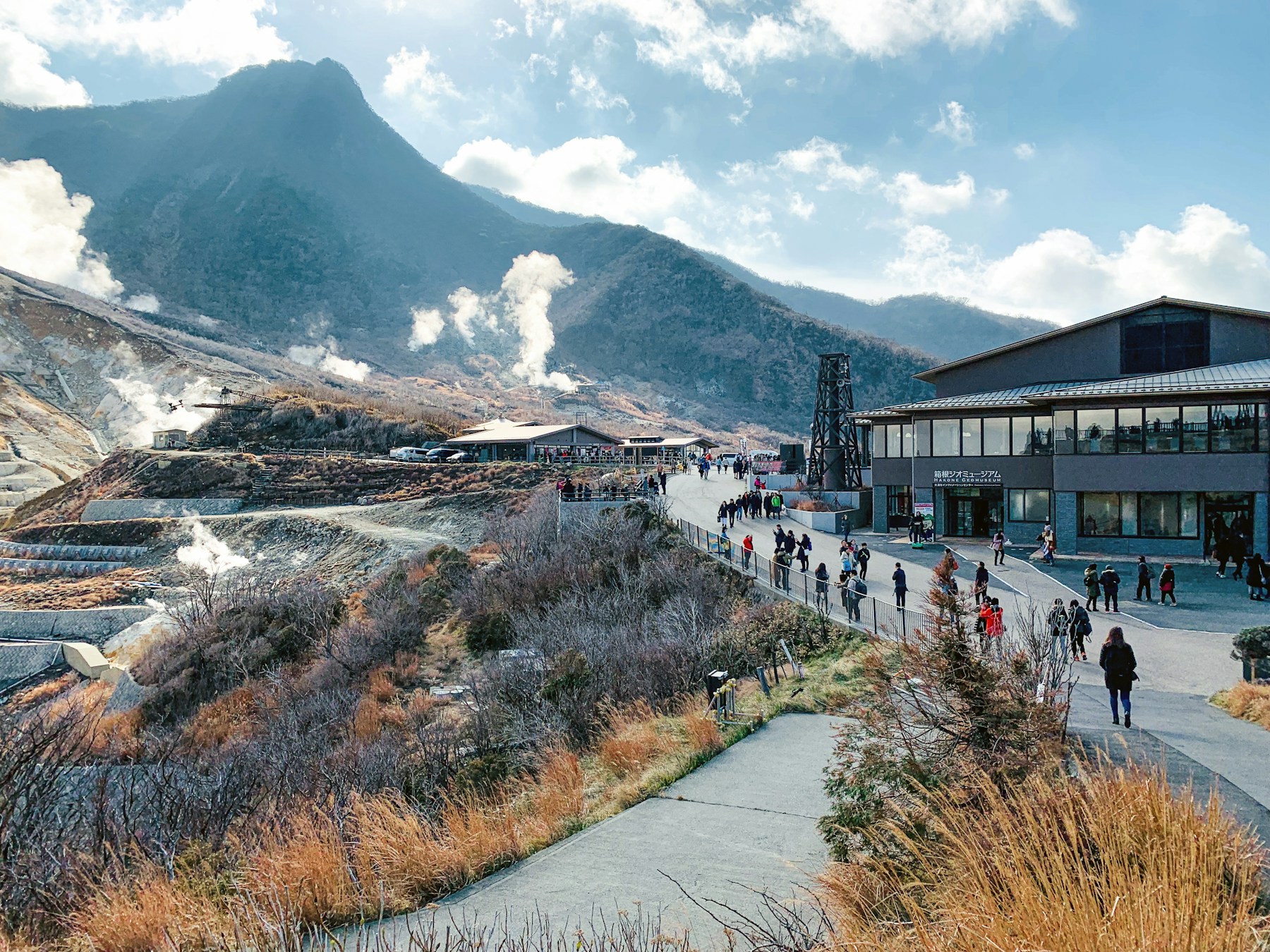
A classic route climbs from Hakone-Yumoto to Gora, continues by cable car toward Sounzan, and uses the ropeway across Owakudani toward Togendai. From there, a Lake Ashi sightseeing boat and a bus can complete the loop. This is a transport itinerary with sightseeing stops, not a quick sequence of adjacent attractions.
Queues, lunch and photography can easily occupy the spare time in an apparently generous schedule.
Keep one optional stop, not three compulsory ones. On a clear morning, prioritize the high-level route while visibility is good. In persistent low cloud, consider an art museum and a shorter local itinerary instead.
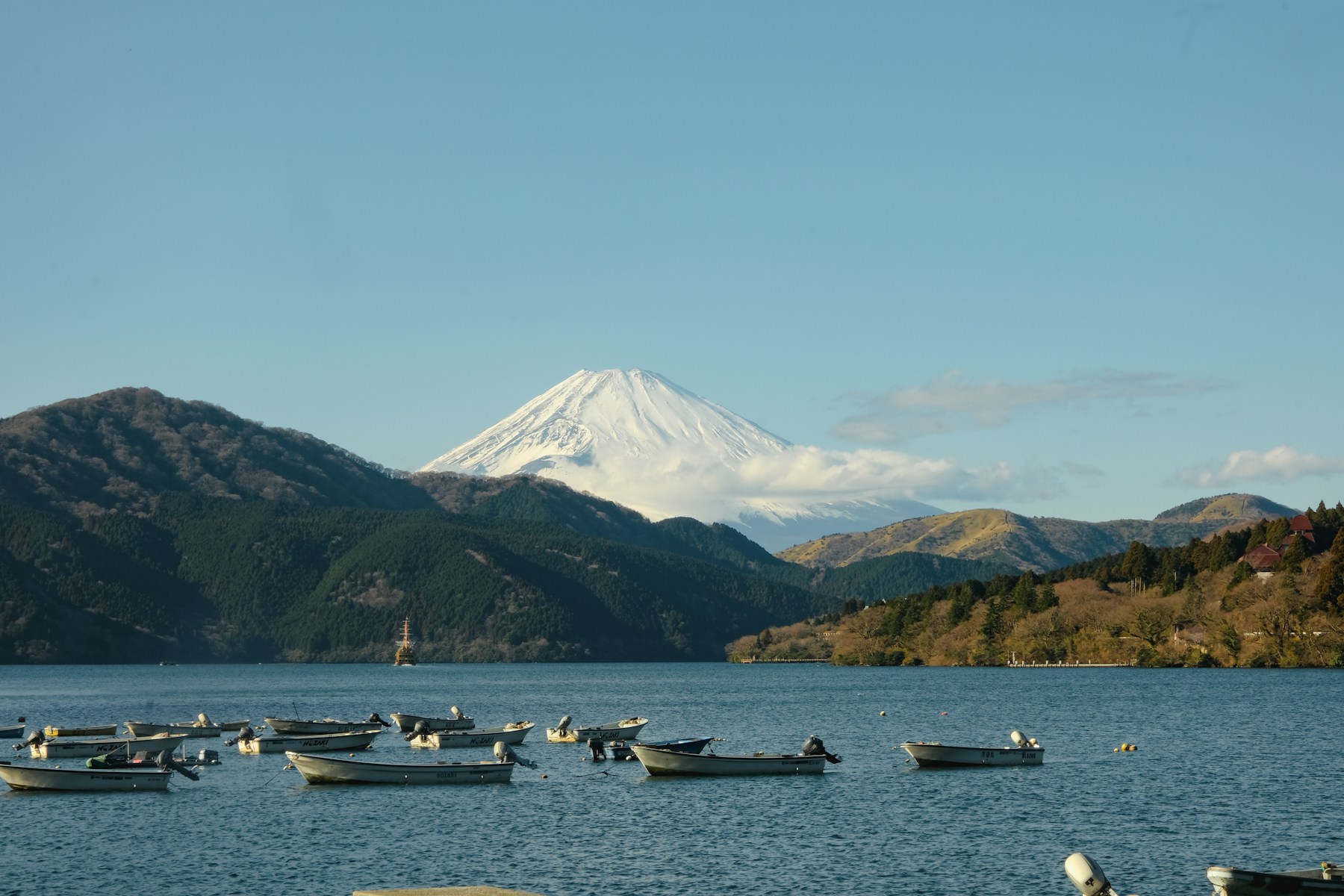
Mount Fuji is never guaranteed, even when Tokyo looks sunny. Owakudani access can also change because of volcanic conditions, and ropeways or boats may suspend service in strong winds.
Check operating notices through Hakone's official visitor information before leaving Tokyo and again locally. Do not assume a pass creates an alternative service when a route closes. If the lake crossing is disrupted, ask staff which buses remain practical.
On busy days, turn back early rather than gambling the last part of your trip on one crowded departure.
Transport costs and the Freepass calculation
The official Hakone Freepass currently lists the adult two-day product from Shinjuku at ¥7,100 (~US$48), with a two-day Hakone-area version from Odawara at ¥6,000 (~US$40). These are two-day products even if you use them for only one day. The Shinjuku version includes the qualifying return Odakyu journey and covered local transport, but not the Romancecar surcharge.
Recheck prices for your travel date.
| Item | Adult reference cost | What to check |
|---|---|---|
| Two-day Freepass from Shinjuku | ¥7,100 (~US$48) | Covered routes; no Romancecar supplement |
| Romancecar supplement | ¥1,200 (~US$8) each way | Ordinary fare or qualifying pass also required |
| Freepass plus return Romancecar | ¥9,500 (~US$64) | ¥7,100 (~US$48) + two ¥1,200 (~US$8) supplements |
| Two-day area pass from Odawara | ¥6,000 (~US$40) | Travel to Odawara purchased separately |
| Meals and snacks | Allow ¥2,000–¥3,500 (~US$13–23) | Planning allowance, not an operator tariff |
A pass is most persuasive when you actually use several covered mountain services. For a simple out-and-back visit to Hakone-Yumoto and one museum, add individual fares before buying. Museum admission, premium boat seating, meals and bathing charges can remain extra.
Compare the final total rather than describing unlimited transport as an all-inclusive day trip.
Food, bathing and weather backups
Eat before the busiest lunch period if you want a sit-down meal. Mountain transport hubs have dining options, but queues and closing times matter more than the number of pins on a map. Carry a snack and refillable water bottle, and avoid making the final return connection depend on speedy restaurant service.
In cooler months, the temperature around the ropeway can feel very different from central Tokyo.
An onsen visit is possible, but it should replace another activity rather than become a rushed add-on. Confirm day-use hours, last entry, towel charges and tattoo policies directly with the facility. Bathing is normally nude in gender-separated baths; swimwear is not the default.
If you are traveling with children or need a private bath, verify the particular arrangement before setting out.
Tips & tricks
- +Reserve both outward and return Romancecar seats.
- +Compare the Freepass against your planned transport.
- +Choose two main priorities for a day trip.
- +Check mountain transport disruptions before leaving Tokyo.
- +Keep a weather backup that avoids exposed routes.
Planning timeline
- +Two to four weeks ahead: choose your main priorities and compare a Shinjuku return with an Odawara-based route.
- +When reservations open for your chosen service: book reserved train seats if timing and comfort matter.
- +Two or three days ahead: review the mountain forecast and identify a museum-based alternative.
- +The evening before: check operating notices, charge your phone and save the return itinerary.
- +On the day: leave early, reassess conditions at Hakone-Yumoto and drop the optional stop if queues build.
The best Hakone day is not necessarily the one with the most transport modes. A clear view, an unhurried meal and a reliable return to Tokyo usually beat finishing every segment while watching the clock. If an onsen stay is your main ambition, an overnight visit gives the region the breathing room that a day trip cannot.
Book your Hakone trip
Compare live prices and availability on trusted booking sites.