
Split to Dubrovnik Ferry vs Bus: Prices and Travel Times
Split to Dubrovnik ferry vs bus comes down to sailing dates, weather risk and your preferred arrival logistics. Compare seasonal catamarans with road travel before committing.
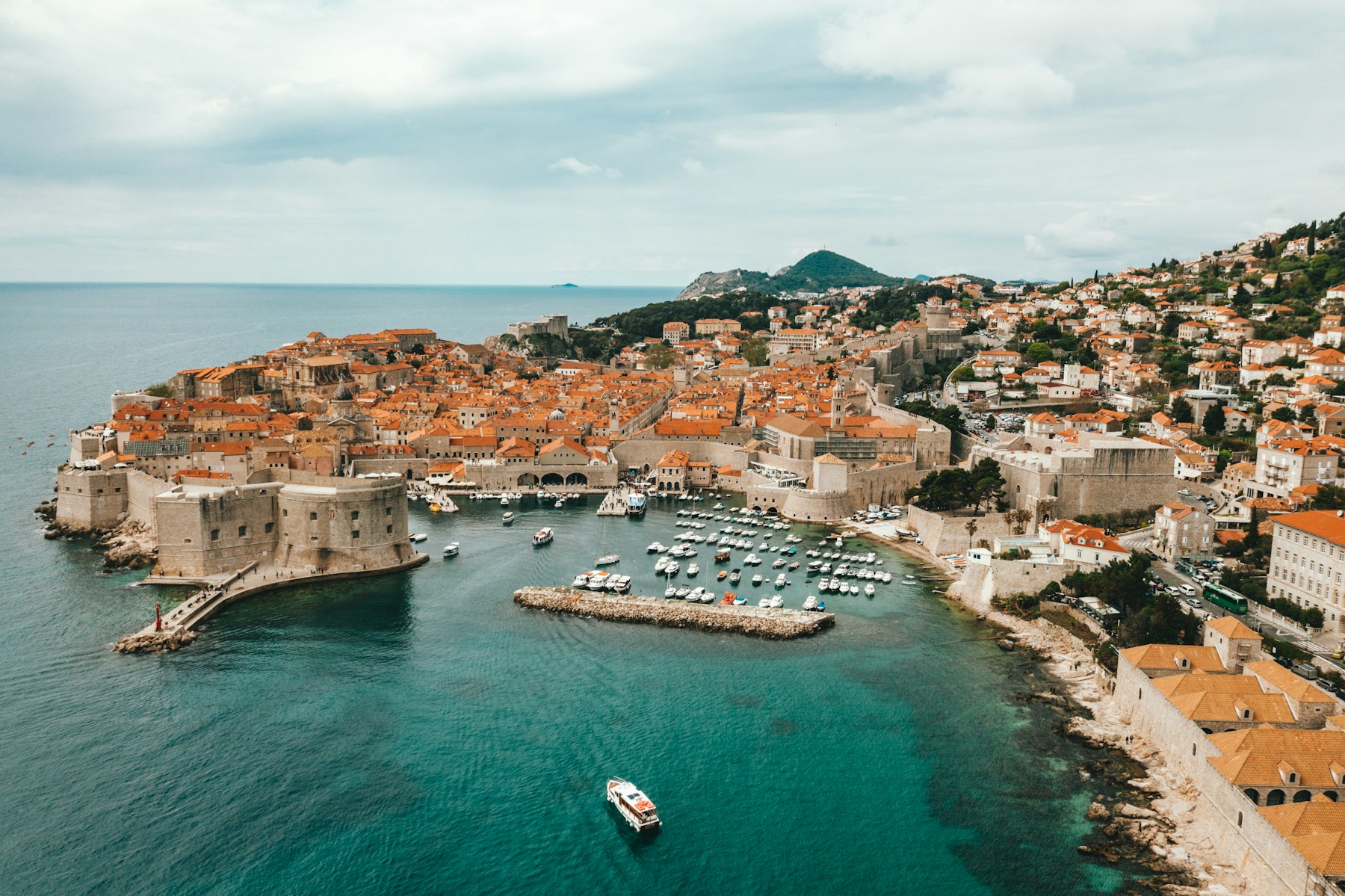
Split to Dubrovnik ferry vs bus: which should you choose?
The Split to Dubrovnik ferry vs bus decision depends on whether your priority is a coastal sailing or a road connection with fewer weather-related uncertainties. Between Split and Dubrovnik, the bus is usually the practical default outside the main sailing season, while a passenger catamaran turns the transfer into a coastal journey. Neither option delivers you directly to Dubrovnik's Old Town.
Both require attention to the final transfer, and neither should be treated as a guaranteed connection to a flight or a nonrefundable excursion later that same day.
Prices and timetables last checked: 2026.
Prices at a glance
| Option | One-way planning allowance | Main extra to consider |
|---|---|---|
| Passenger catamaran | €50 (~US$54) | Published April–October 2026 Krilo sailing; reconfirm your date |
| Intercity bus | About €15–€35 (~US$16–38) per adult | Possible baggage or seat-selection charges |
| Local arrival transfer | Allow a few euros by public bus | Taxi or app-based quotes cost more |
| Food and drinking water | Allow €8–€15 (~US$9–16) | Bring supplies if onboard choice is limited |
A published 2026 Krilo timetable lists the Split to Dubrovnik catamaran via Milna, Hvar, Korčula and Pomena at €50 (~US$54) one way, from 1 April–31 October 2026 (timetable PDF). For the bus, allow around €15–€35 (~US$16–38) until a dated operator quote confirms the fare.
Times & timetable
- +Published Krilo sailing: daily, 08:00–12:30, a 4-hour-30-minute crossing, 1 April–31 October 2026.
- +Reach boarding at least 15 minutes before departure.
- +Reconfirm your dated sailing; the timetable is hosted by a local travel company.
How to book
- +Krilo Split–Dubrovnik catamaran (guide allowance €50 (~US$54); check date): book on the Krilo Dubrovnik sailing and booking page.
- +TP Line Split–Dubrovnik catamaran: book on the TP Line official ticket search.
- +Split–Dubrovnik intercity bus (about €15–35 (~US$16–38)): book on the FlixBus Split–Dubrovnik ticket page.
How the passenger ferries work
The boats sold for this route are generally fast passenger catamarans, not car ferries and not sightseeing ships with an unrestricted outdoor promenade. Intermediate stops may include Hvar, Korčula, Milna or Pomena, depending on the operator and service. You normally remain aboard on a through ticket.
An island stop in the schedule is not an opportunity for a leisurely walk unless you have deliberately booked separate journeys.
Use the official Krilo destination information and TP Line booking system to check your exact date, direction and full route. Plan on roughly 4½–5½ hours for common through sailings, but let the dated timetable determine your actual arrival. Seasonal start and end dates differ by service, so an April sailing mentioned in a guide does not establish daily availability for every operator.
Check the boarding location shortly before travel. Split's ferry port is large enough that arriving at the waterfront is not the same as finding your vessel. In Dubrovnik, the relevant arrival is normally Gruž, away from the walled center.
Follow the operator's boarding deadline and allow extra time for ticket inspection and bags. In busy periods, thirty minutes or more at the port is a sensible personal buffer.
Taking the bus and understanding the road route
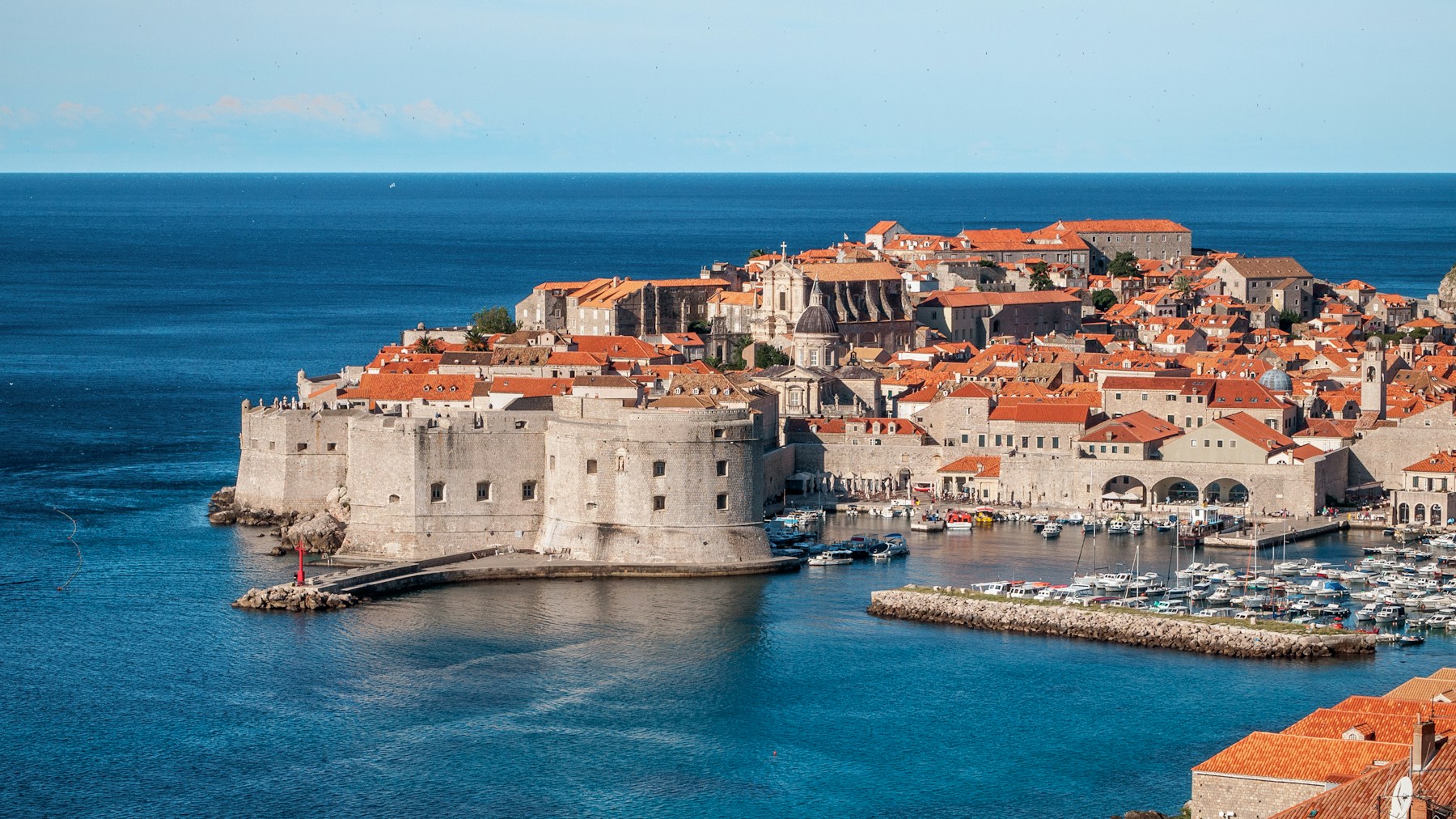
Buses connect the main stations in both cities, with journey times varying by operator, stops and traffic. Budget roughly four to five hours, then allow for summer delays. Compare the actual departure you intend to buy rather than using the shortest advertised journey as a universal promise. FlixBus provides a direct route search, while other services may appear through local operator or station channels.
The Pelješac Bridge allows journeys that stay within Croatia instead of crossing the Bosnia and Herzegovina corridor near Neum. That does not mean every published bus departure necessarily follows the same route. If border crossings affect your documents or timing, ask the operating carrier directly.
Carry your passport or other appropriate travel document regardless; do not leave essential identification packed in luggage beneath the coach.
Seat selection, checked luggage and bicycle rules vary. A fare shown in search results may not include every extra, and a larger suitcase may be handled differently from cabin baggage. Confirm payment methods for any baggage charge before boarding.
If motion sickness is an issue, remember that the coastal road can be winding; the boat is not automatically the gentler alternative when the sea is rough.
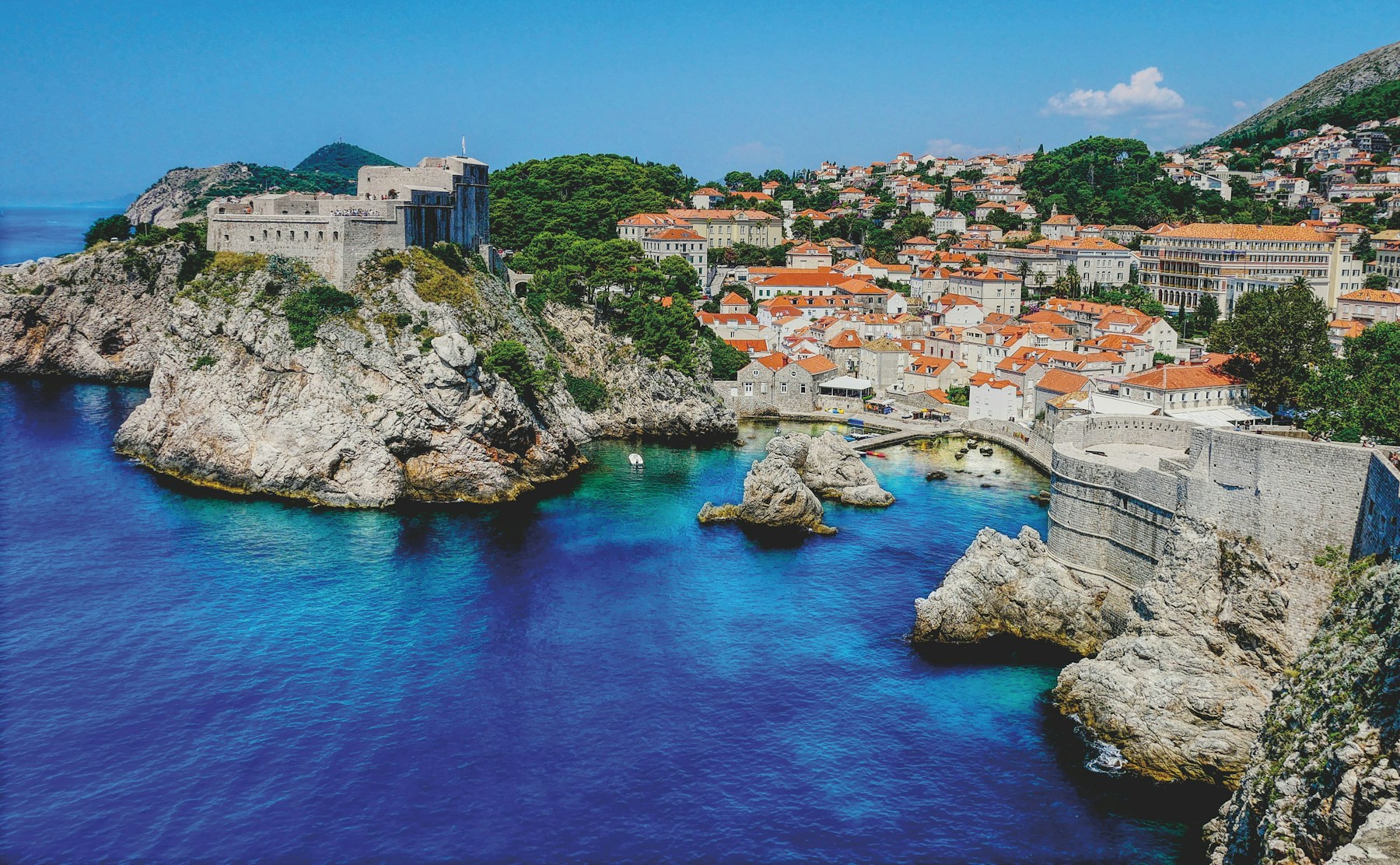
Fares and realistic door-to-door costs
Treat the figures below as planning allowances, not guaranteed offers. Through-ferry prices must be checked for Split–Dubrovnik specifically: an operator's destination page may show a headline fare from a shorter island segment. Likewise, a bus sale fare is not necessarily available on your date.
Compare both operators' checkout totals before deciding that one mode is substantially cheaper.
For a couple, the difference between two boat tickets and two bus tickets can fund a meal or a meaningful share of a hotel night. Conversely, spending extra on the boat may be worthwhile if the journey itself is part of your holiday. Do not compare only the fare: add station access, waiting time and the cost of reaching your actual accommodation.
Arrival logistics, luggage and disrupted travel
Dubrovnik's main bus station and ferry facilities are in the Gruž area. The Old Town is reached by local bus, taxi or another road transfer, followed by walking. Use Libertas Dubrovnik for current public transport information.
Tickets and routes can change, so confirm the appropriate stop rather than simply boarding the first bus with a central destination displayed.
If your accommodation is inside the walls, ask for the best gate and whether there are stairs on the final approach. Vehicles cannot deliver you to every historic address. A host's instructions are often more useful than the shortest walking route on your phone, particularly with rolling luggage.
Keep medication, travel documents and a light layer with you during either transfer.
A canceled sailing does not automatically include a replacement bus ticket. Read the operator's disruption terms and retain notices and receipts. If the sea forecast is poor and your arrival date is critical, investigate bus availability before all displaced passengers do the same.
Avoid building a same-day international flight connection around either mode; an overnight buffer is the safer plan.
Tips & tricks
- +Confirm that your ferry operates on your travel date.
- +Compare final arrival locations, not just ticket prices.
- +Check baggage conditions before purchasing.
- +Keep a bus alternative for disrupted sailings.
- +Allow extra time for the transfer from Gruž.
Planning timeline
- +One or two months ahead in peak season: check which sailings actually operate and compare flexible accommodation options.
- +One or two weeks ahead: buy the preferred departure if your itinerary is fixed, reviewing luggage and cancellation terms.
- +Two days ahead: review marine weather and identify an alternative bus departure if timing is important.
- +The evening before: verify the exact port or station, boarding deadline and arrival instructions.
- +On arrival: complete the local transfer before starting sightseeing, especially if you have heavy bags.
For most independent travelers, the right answer is seasonal rather than ideological. Take the catamaran when the sailing, weather and price make the transfer enjoyable. Take the bus when you need a straightforward overland link.
Neither choice needs to become a complicated island-hopping itinerary unless that is genuinely how you want to spend your holiday.
Book your Dubrovnik trip
Compare live prices and availability on trusted booking sites.