
Oslo Island Hopping on Ruter Ferries: Routes and Tickets
Explore Oslofjord islands using ordinary Ruter ferries, with zone-one fares, seasonal routes and a realistic two-island plan.

Oslo Island Hopping on Ruter Ferries: Routes and Tickets
Oslo island hopping on Ruter ferries is a public-transport outing, not a private sightseeing cruise. Buy a Ruter official travel ticket, check the island boat departures from the waterfront and build a flexible day around one or two stops. Hovedøya is a useful first choice; other islands become easier to combine when the seasonal timetable and weather cooperate.
Price reference: official operator information reviewed for 2026 planning. Seasonal notices and dated checkout prices take precedence; accommodation and food allowances are estimates, not official tariffs.
Prices at a glance
| Option | Cost | Practical detail |
|---|---|---|
| Zone 1 adult single | NOK 46 | 60 minutes from activation |
| Zone 1 adult 24-hour ticket | NOK 137 | Unlimited eligible journeys during validity |
| Zone 1 senior single | NOK 23 | Eligibility conditions apply |
| Zone 1 child single | NOK 19 | Check current age bands |
Times & timetable
- +A zone-one single lasts 60 minutes; activate before boarding.
- +Island frequency and route patterns vary strongly by season; use the Ruter official journey planner.
- +Allow 4–6 hours for a relaxed two-island outing, including waits and a picnic.
How to book
- +Zone-one adult single — NOK 46: buy through the Ruter official ticket channels.
- +Zone-one adult day ticket — NOK 137: select the Ruter 24-hour ticket.
Start with the correct public ferry
Use Ruter’s island services, normally associated with the B1 island route and seasonal additional departures, rather than assuming every boat at Oslo’s waterfront accepts the same ticket. Follow the actual departure board for the island you want. Boat assignments and boarding positions can change, so old photographs are not reliable pier instructions.
The useful distinction is between public island transport and commercial sightseeing. Both can show attractive fjord photographs, but only the relevant public services follow Ruter ticket rules. The tourist ferry to Bygdøy is a particular service to check separately; a zone-one ticket is not a universal waterfront boat pass.
Check the outward and return journeys together before buying food or leaving the hotel. A route that looks convenient in the morning may have a long afternoon gap. Ruter’s planner is more useful than a general claim that boats run frequently, especially outside summer or on public holidays.
Keep your ticket ready while approaching the boarding area. A purchased mobile ticket may still need activation. Do not wait until a crew member asks for it if activation was required earlier. Keep enough phone battery for the return trip, since an island is an inconvenient place to discover your proof of payment is inaccessible.
Hovedøya first, then decide on another island
Hovedøya is a sensible first stop because it combines an accessible island walk with historic ruins, shore views and places to pause. Use marked paths and respect protected areas. This is an inhabited and environmentally sensitive landscape rather than an open-air venue where every patch of ground is suitable for a picnic.
Begin with a modest loop rather than heading immediately for the farthest shoreline. After you have seen the conditions and checked the next departure, decide whether to remain for lunch or continue to Gressholmen or Langøyene when the timetable allows. Two unrushed islands are often more enjoyable than four brief landings.
Not every boat follows the same sequence, and some island names on a route diagram may require a particular departure. Read the destination display before boarding. If unsure, ask the crew whether the service calls at your intended stop instead of assuming every island ferry makes a complete circuit.
A family group should allow time for toilets, snacks and the walk back to the pier. Small delays add up when everyone has different priorities. Identify a latest sensible return departure before spreading out, especially if you have dinner reservations or onward transport in Oslo that evening.
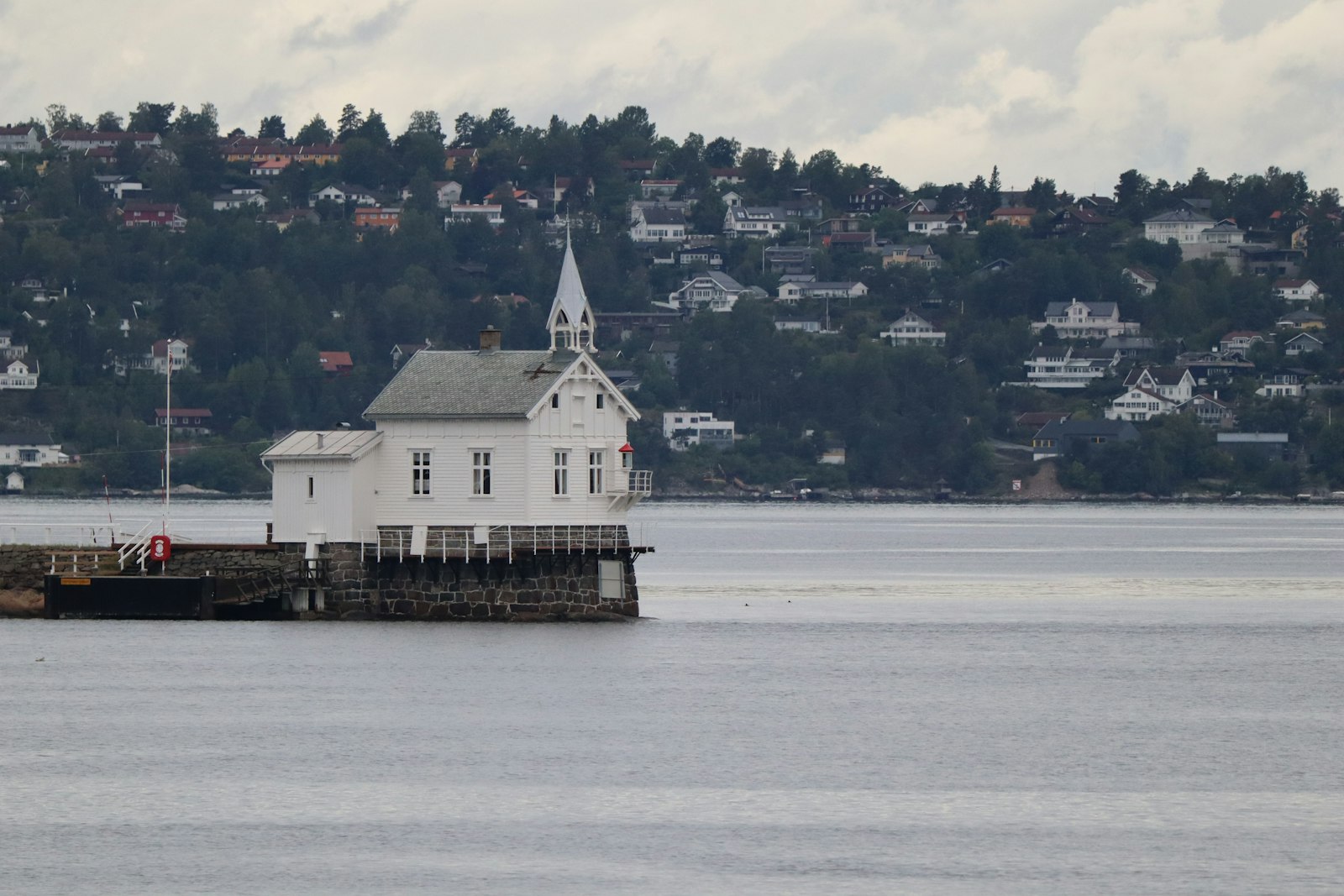
Single tickets versus a day ticket
At the published fares, three NOK 46 singles cost NOK 138, just above the NOK 137 day ticket. That makes a 24-hour product easy to justify for three separate paid validity windows. It may also cover useful eligible city journeys before and after the boats, provided the zones and operating rules match.
A one-hour single can cover permitted transfers within its validity, but it is not designed for a leisurely island day. Do not assume a morning outward ticket will cover an afternoon return. Buy or activate fresh validity before the next journey if the original ticket has expired.
Ruter’s official ticket prices explain adult, child and senior categories. Discounts require the appropriate eligibility, and age bands can differ from those used by museums. Calculate for each traveler rather than assuming the whole party qualifies for one family fare.
The 24-hour clock starts when the ticket is activated, not automatically at midnight. If your timing permits, the same pass may still help the next morning. That is a useful bonus, not a reason to activate it hours before you are ready to leave.
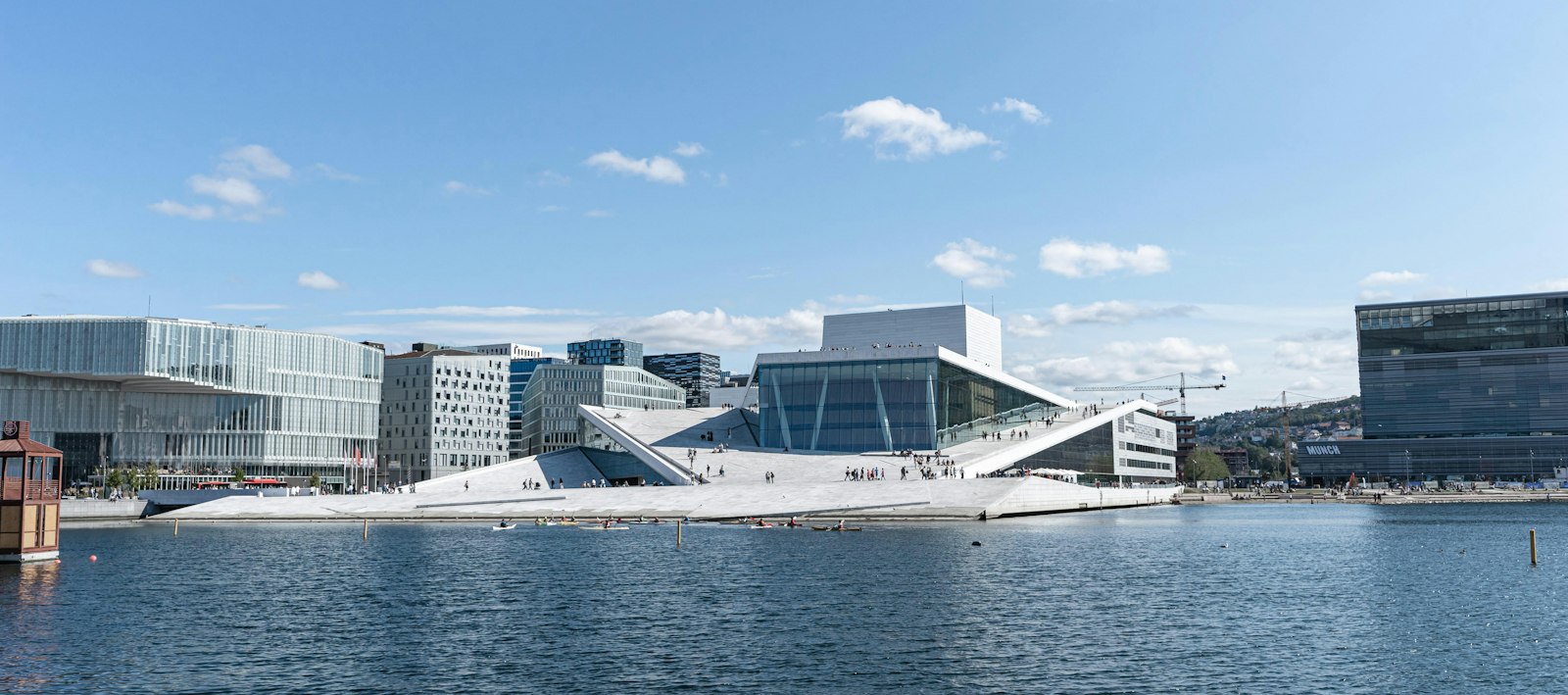
Weather, swimming and the return to town
Bring a windproof layer, even on a warm city day. Conditions on an exposed pier can feel different from sheltered streets, and rain can make an island outing uncomfortable quickly. Check the forecast and current service notices before committing to a picnic without an indoor alternative.
Swimming is optional, not part of the transport service. Use suitable bathing areas and assess local conditions rather than jumping in beside ferry traffic. Keep children supervised and follow seasonal restrictions, posted safety advice and any environmental rules affecting beaches or grassland.
Pack drinking water, snacks and a bag for your rubbish. Shops and cafés may be seasonal or closed when you arrive. Do not build the entire day around a business being open unless you have checked its current hours. Keeping the plan simple also keeps the outing affordable.
Leave a return margin rather than aiming for the last listed boat. Queues, capacity limits or disruption can make the final connection stressful. If weather deteriorates, shorten the island plan while you still have several practical departures available, and enjoy the rest of the day on Oslo’s waterfront.
Before leaving shore, check toilets, drinking water and accessibility for the actual boat and landing stage. Water levels, gangways and vessel substitutions can affect boarding even when the published route is unchanged. Tell the operator about mobility needs in advance and keep essential medication with you. Treat a scenic sailing as real transport with a timetable, not an attraction where the return is always immediately available.
Tips & tricks
- +Start with one island, then reassess.
- +Buy the correct Ruter zones.
- +Activate before boarding.
- +Bring water and a windproof layer.
- +Avoid relying on the final boat.
Planning timeline
| When | Action | Why it matters |
|---|---|---|
| Before reserving | Check official products and compare the complete cost. | Avoid paying twice for transport or admission. |
| One week before | Confirm accommodation access and seasonal operating days. | Identify closures and awkward arrival routes. |
| The day before | Refresh timetables, weather and ticket conditions. | Saved schedules can become outdated. |
| Before setting out | Download tickets and save the return journey. | Keep essential information available offline. |
| Before returning | Check live departures and leave a buffer. | Protect onward bookings from delays. |
Book your Oslo trip
Compare live prices and availability on trusted booking sites.