
Amalfi Coast Without a Car From Salerno: Ferry Costs
Exploring the Amalfi Coast without a car from Salerno is practical by ferry, with published one-way fares for Amalfi and Positano and buses as a fallback.
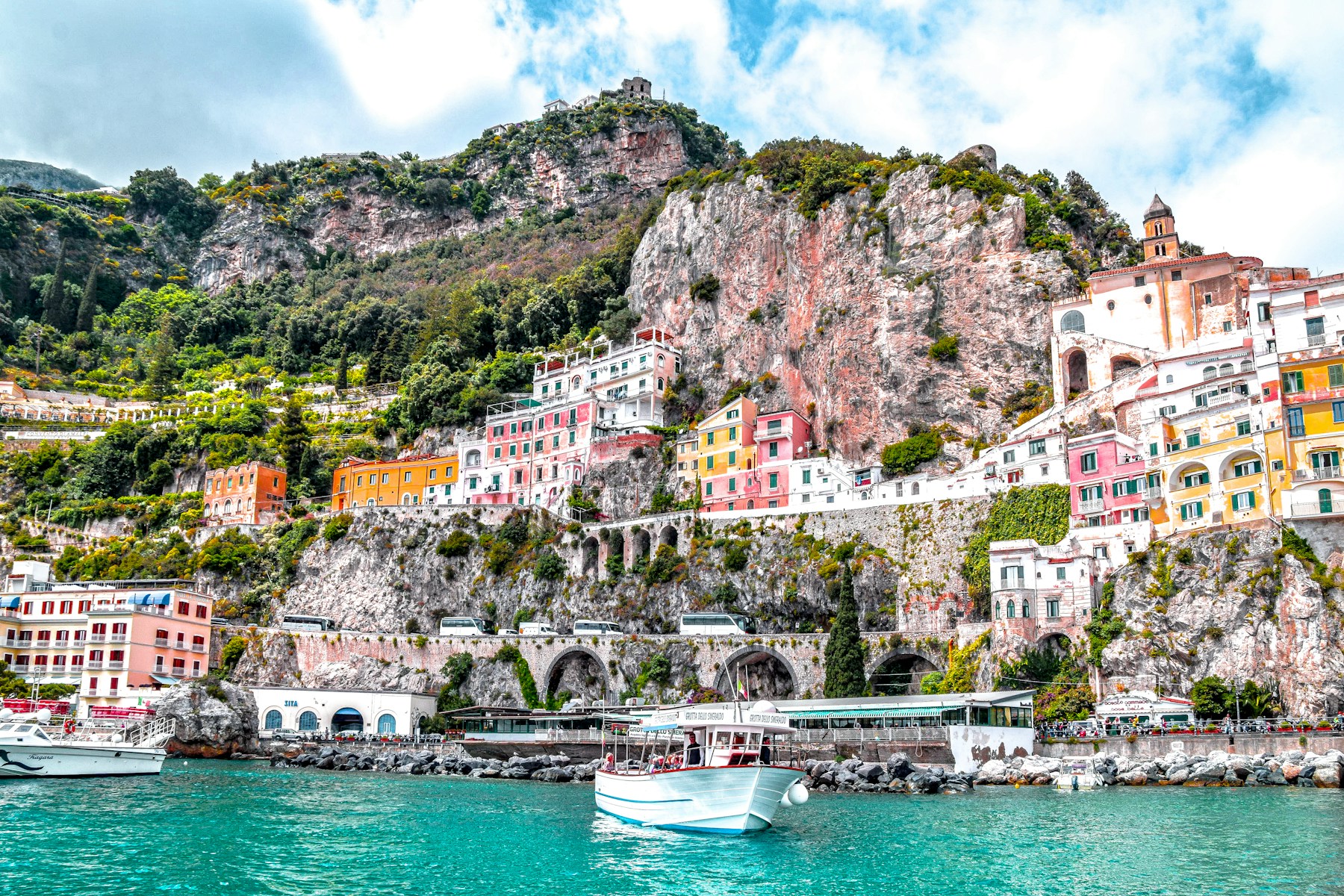
How much is the Amalfi Coast without a car from Salerno?
Visiting the Amalfi Coast without a car from Salerno keeps the rail-to-coast connection simple. Choose accommodation with a manageable route to your departure pier, then plan ferry journeys around the date-specific timetable. Amalfi is a useful interchange; Positano requires more attention to stairs and luggage.
Prices and timetables last checked: 2026.
Prices at a glance
| Option | Approximate one-way cost | Best for | Main trade-off |
|---|---|---|---|
| Ferry, Salerno–Amalfi | about €12 (~US$13) | Views and avoiding road queues | Seasonal, weather-dependent |
| Ferry, Salerno–Positano | about €17 (~US$18) | Direct connection in sailing season | Limited service at some stops |
| SITA bus | usually low single-digit euros; verify current tariff | Year-round reach to inland/coastal stops | Crowds, traffic, luggage space |
| Private transfer | often €100 (~US$108)+ per vehicle; quote required | Groups, luggage, late arrival | Costly; road traffic still applies |
Travelmar's 2026 adult fares are published in its 2026 tariff PDF. A Salerno–Amalfi–Positano–Salerno circuit totals €39.00 (~US$42) per adult before separately chargeable extras.
Times & timetable
- +Salerno to Amalfi: around 35 minutes direct.
- +Salerno to Positano: around 70 minutes.
- +Stopping patterns and sailing conditions affect the journey; check the exact pier and return departure before purchasing.
How to book
- +Salerno–Amalfi ferry (about €12 (~US$13)): book on the Travelmar online reservations page.
- +Salerno–Positano ferry (about €17 (~US$18)): book on the Travelmar ferry ticket booking page.
- +SITA Sud coastal bus ticket: book on the UnicoCampania official ticket-app page.
A realistic cost comparison
Prices depend on route, date, provider and season. Travelmar lists Salerno–Amalfi at €12 (~US$13) one way, Salerno–Positano at €17, (~US$18) and Amalfi–Positano at €10 (~US$11) in its 2025 fare schedule; these are useful reference points, not a promise of current fares. Check the live timetable and fare before travel.
The ferry operator lists timetables and fares together online.
Treat private transfer figures as broad planning estimates: vehicle size, pickup point, time and season change quotes substantially. A taxi for one or two can cost more than the ferry several times over. Buses are generally the budget choice, but confirm ticket purchase rules and stop locations with the local operator before boarding.
When ferries win—and when they do not

For Salerno–Amalfi–Positano, the ferry can turn transport into part of the day, with coastal views and less road exposure. Buy a ticket early on busy summer dates and reach the pier ahead of departure. Keep a flexible return option: the last sailing may be much earlier than you expect, and cancellations can leave a bus or transfer as the fallback.
If you are connecting to a train from Salerno, leave a generous buffer.
- +Use a ferry for a daytime town-to-town hop when the route is operating and the sea is calm.
- +Use the bus for villages not served by ferries, winter travel, or a cheaper itinerary.
- +Use a private driver for a group splitting the fare, a tight airport connection, or luggage-heavy door-to-door travel.

Bus realities, baggage and planning
SITA Sud buses link major coastal towns and inland hubs. The operator’s routes and current notices are the authority for service changes; do not assume a web itinerary is still valid on a particular day. Buy the correct ticket in advance where required, validate it as instructed, and stand in the correct queue.
During peak months, a bus may pass a crowded stop full or arrive late. Boarding at an earlier point can improve your odds.
In summer, consider using ferries for the main coastal legs and buses for the final stretch. In shoulder season, check whether ferries operate on your exact date: schedules can be reduced or suspended. For mobility limitations, remember that both bus boarding and steep town streets can be challenging, while ferry access depends on pier conditions and vessel design.
Ask the operator directly about accessibility.
Sample day and smart fallback
A low-stress day might start in Salerno, take a morning ferry to Amalfi, spend several hours there, then continue by ferry to Positano and return by the last suitable sailing. Confirm both legs before committing; do not rely on an assumed frequency. If the ferry schedule leaves too little time, stay in one town longer and use the bus only for the return.
Carry water, sun protection and a small day bag—carrying bulky luggage onto crowded transport is uncomfortable.
For overnight stays, arriving in daylight makes it easier to navigate stairs and find your accommodation. A private transfer can be worth the expense when several people share a ride from Naples airport or station, but ask for an all-in written quote and confirm whether the driver can reach the hotel entrance.
Tips & tricks
- +Confirm the departure pier before walking from the station.
- +Check sea conditions before relying on a ferry.
- +Save a bus fallback for canceled sailings.
- +Check luggage charges before purchasing tickets.
- +Choose accommodation with manageable stairs and pier access.
Planning timeline
| When | What to do |
|---|---|
| 8–12 weeks before | Book hotels in Positano or Amalfi; summer sells out first |
| 4–6 weeks before | Decide ferry vs bus days; book any boat tour or Capri trip |
| 1 week before | Check ferry operator timetables for your dates |
| Day before | Check sea forecast; buy bus tickets for the next day |
| On the day | Start early, take the ferry out and keep the bus as backup |
| Last evening | Confirm transfer or train back to Naples/Salerno |
Book your Amalfi Coast trip
Compare live prices and availability on trusted booking sites.